
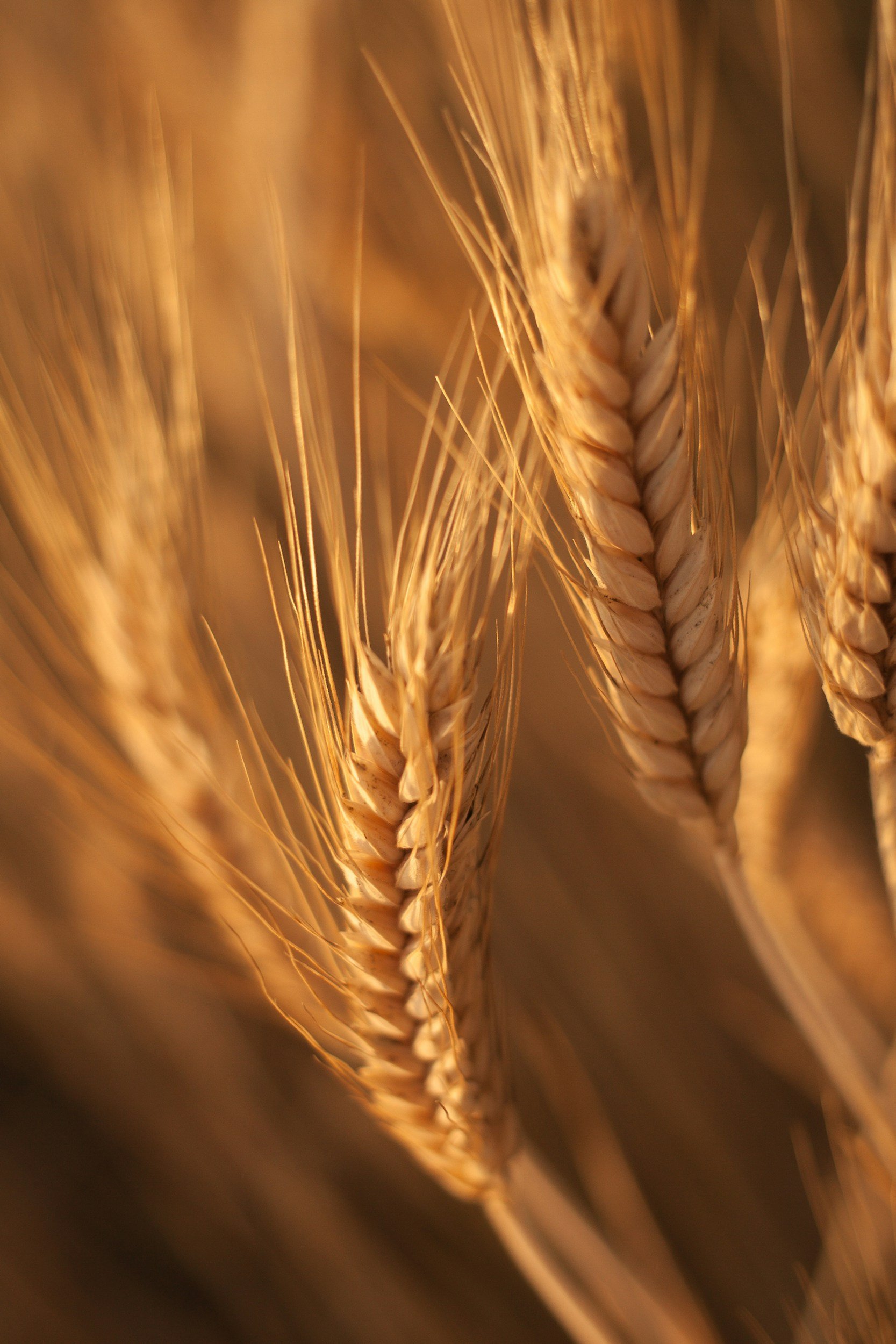
The celebration of Lughnasadh marks the beginning of the harvest season, a time of gratitude and fruition. Traditionally celebrated on or around the 1st of August, or when the grain begins to turn from green to gold, it honours the first fruits of the year's harvest and the gradual turning towards autumn.
Lughnasadh has its roots in the Gaelic traditions of Ireland and Scotland and is named after the god Lugh. Irish tradition tells how Lugh established the festival in memory of his foster mother, Tailtiu, who died from exhaustion after clearing the land for agriculture. He is also remembered in mythology as a protector of the harvest, rescuing the grain from the forces of blight so it could nourish the people.
Across Ireland, Lughnasadh was traditionally celebrated through gatherings known as óenaig, bringing communities together for music, dancing, storytelling, feasting, games and trading. It was also closely associated with journeys to sacred places, particularly hilltops and mountains. Many of Ireland's ancient Lughnasadh sites, such as Croagh Patrick, Sliabh na Calliagh, Slieve Donard and Sliabh an Iarainn, continued to be visited long after Christianity arrived, with older pilgrimage traditions becoming interwoven with later Christian practice. Visits to holy wells and sacred springs also formed part of seasonal observance in many areas.
In England, the beginning of the harvest became known as Lammas, from the Old English Hláfmæsse, meaning "Loaf Mass". While possibly having earlier pagan roots, Lammas developed as an early Christian harvest festival in which the first grain was baked into a loaf and offered in church as an act of thanksgiving.
Today, many people celebrating the Wheel of the Year draw inspiration from both Lughnasadh and Lammas, weaving together traditions of gratitude, harvest, pilgrimage and community.
As the first of the harvest festivals, this season marks an important threshold in the year. It is the transition from summer towards autumn, and is the first doorway back toward the dark half of the year. The outward energy of summer begins to soften as the fruits ripen on the trees and the grain stands ready in the fields. It is a time to give thanks for all that the Earth provides, to celebrate what has come into fruition, and to reflect on the seeds we planted, both in the land and within ourselves.
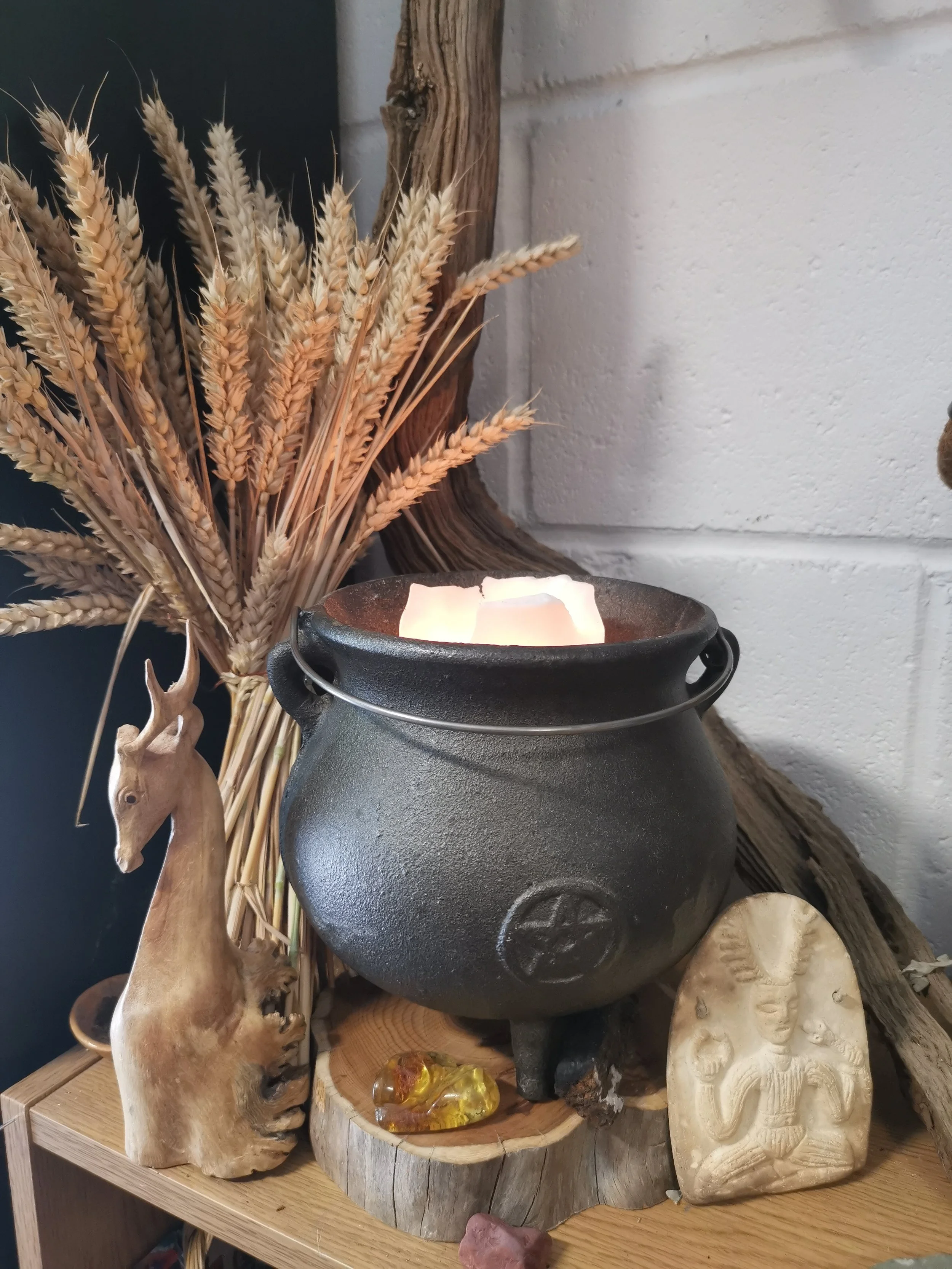
Lughnasadh also invites us to reflect on the intentions we planted at the beginning of the year, and to notice what has begun to come into fruition. It is a time to pause with gratitude for how far we have travelled, to recognise what has grown through our efforts, and to reflect on the lessons and wisdom that have emerged along the way. As the first harvest reminds us, not every seed grows in the way we imagined, yet each season offers its own gifts to carry forward.
Throughout this series, we have been exploring ways of working with our shamanic drums to connect with the wisdom and magic of the seasons and festivals. This month, we continue with three ways to deepen our connection with Lughnasadh. In our regular drumming circles, we use the drum to attune ourselves to the changing rhythms of the land, helping us remain in relationship with the unique wisdom, gifts and medicine that each season brings.
You can join us for our new drum circles in Drumkeeran, Leitrim, where we work with the drum to help reattune and connect us with the spirit of the season. Click here for more information.
How to use our Shamanic Drums to connect with the season:
1. Drum for gratitude
The act of drumming itself can help give us a different perspective and allow us to reflect on our lives. When we play these healing tools, we do so with an intention, prayer, or focus, giving direction to the powerful energy that drumming creates.
At this time of Lughnasadh, take some time to drum for Gratitude, sitting first in silent to bring to mind, speak aloud, or write down all the things that you are grateful for, and let the magical rhythms of the drum carry that gratitude far and wide.
2. Journey to connect with the Spirit of the Season
The Shamanic Journey is a practice where the rhythm of the Drum guides you into an inner visionary landscape, for guidance and healing. We often journey with an intention or a question, with the hope of meeting a spiritual being in this landscape to give us the answer or guidance that we need.
Call on the spirit of the season, and journey within, supported by your guides and allies. If you are familiar with the practice of journeying, you can use the sound recording below to help you with your journey.
If you would like to learn more about journeying, and how you can develop this practice for guidance and healing, take a look at our Shamanic Journeying online course, with recorded lessons that you can work through in your own time.
3. Drum for the land
As we regularly discuss, the beat of the drum can be a powerful tool to raise energy in a space, and is a great way to give back to the land. At this time of year, because of the harvest, we are very aware of all that the Earth provides for us, and our important relationship with her.
At the start of the harvest season, it can be a great opportunity to “give back” in advance, and venture outdoors to drum for the land, whether that be out to the fields where crops will be harvested, or out in the hedgerows and trees where you might, yourself, find some blackberries and nuts to forage. You may also want to take an offering to give back to the Earth, or give the first mouthful of bread, or fruit to the fields or trees.
Lughnasadh has long been associated with journeys to high places and pilgrimages to sacred wells and springs. If you feel called, you may wish to take your drum to a place that feels special to you. Before you begin, spend a few moments listening to the land and asking whether the place feels open to the sound of the drum. If it does, let your drumming become an offering of gratitude. You may also wish to leave a simple offering, perhaps the first piece of bread or fruit, in thanks for all that the Earth provides.
We hope you find this guide useful! Please share your experiences celebrating Lughnasadh with us either in the comment section below or on our social media @HeronDrums.official.